

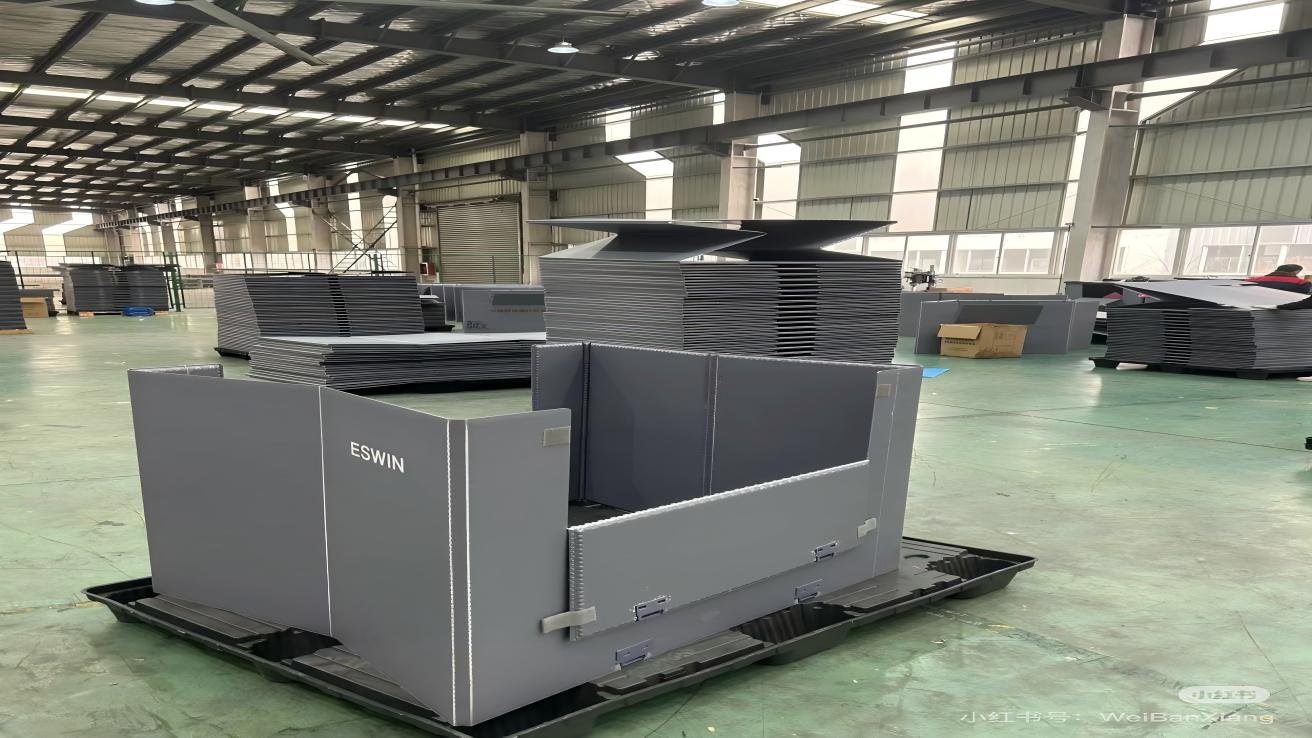
Imagine your warehouse team spending 23% fewer hours handling shipments while saving 15% on annual packaging costs. This is the reality for adapters of modern returnable container systems.
Returnable containers are reuse-focused transport solutions that reduce packaging costs by 25% in warehousing and 51% in sales logistics 1, while supporting up to 400kg loads through customized engineering plastic designs.
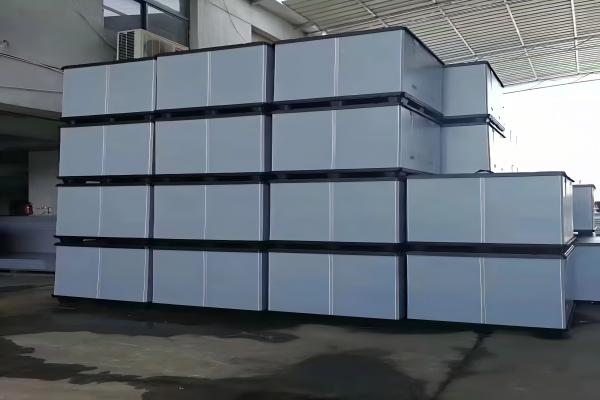
Since 2018, EfficiDo has supplied durable PP Returnable Containers to 37 overseas users, and I will share the operational insights we have gained from optimizing these cross-border logistics systems.
What Exactly Are Returnable Containers?
Metal cages warping under 300kg loads? Single-use cardboard failing in humid ports? Let’s define the 21st-century solution.
Returnable containers are multi-cycle transport units made from reinforced plastics like PP, designed for 100+ reuse cycles with load capacities of 300-400kg and customizable sizes (±2mm tolerance) 2.

| Type | Material | Max Load | Cycles | Ideal Use Case |
|---|---|---|---|---|
| Foldable crates | Copolymer PP | 325kg | 150 | Automotive parts |
| Nestable bins | Glass-filled PP | 400kg | 200 | Heavy machinery |
| Collapsible pallets | Crosslinked PP | 350kg | 120 | Food & pharma |
Engineered for high load capacity and custom sizing, our returnable containers use blow/injection-molded lid/base and extruded PP honeycomb sheet walls (8mm-15mm typical), resisting -30°C to 110°C, meeting ISO 22000 and ISTA 3E standards1. Ribbed base minimizes slippage during CNC part transport.
What’s the Best Way to Implement Returnable Containers?
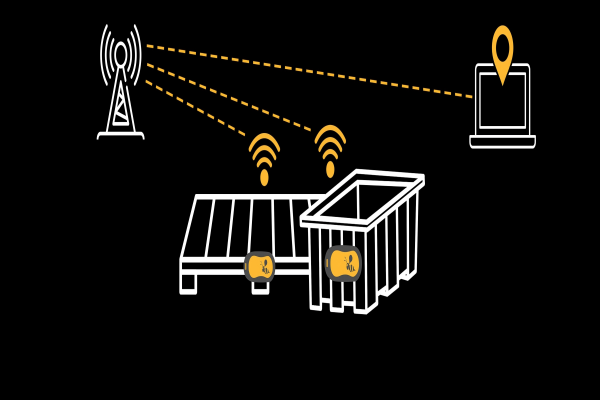
RFID tags beeping at unauthorized exits – our Yamaha client saved $78k annually with this tracking method. Here’s how to replicate it..
Successful implementation requires:
1) RFID/GPS tracking integration
2) Supplier partnership contracts
3) Automated cleaning stations
4) Real-time cycle monitoring dashboards 3
Implementation cost vs savings (first year):
| Expense | Cost | Saving Area | Amount Saved |
|---|---|---|---|
| Container purchase | $82k | Production | $28k (10%) |
| Tracking system | $15k | Warehousing | $116k (25%) |
| Training | $7k | Transportation | $9k (5%) |
| Sales | $310k (51%) |
Our recommended rollout plan:
- Conduct 3-month pilot with 20% of shipments
- Install UHF RFID tags (92% read accuracy vs barcodes’ 78%)
- Negotiate container-sharing contracts with 2-3 suppliers
- Implement automated sanitization between cycles (65°C PP-safe wash)
How Do Returnable Containers Boost Sustainability?
While clients save $0.23/kg on logistics, the environmental ROI is equally compelling.
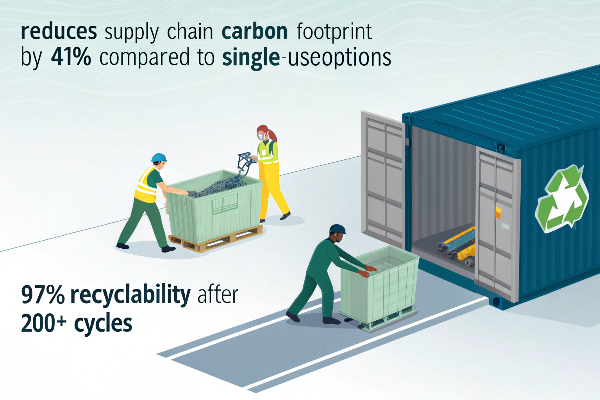
Our PP containers reduce supply chain carbon footprint by 41% compared to single-use options, with 97% recyclability after 200+ cycles 4.
Environmental impact comparison (per 1,000 shipments):
| Metric | Single-Use PP | Returnable PP | Reduction |
|---|---|---|---|
| Material waste | 8,200kg | 112kg | 98.6% |
| CO2 emissions | 12.3t | 7.1t | 42.3% |
| Water consumption | 34,500L | 8,200L | 76.2% |
Our containers utilize 30% recycled PP content (post-industrial regrind) without compromising structural integrity. The closed-loop system aligns with California’s SB 54 regulations and EU Packaging Directive 94/62/EC compliance 2.
Real-World Success: Automotive Supplier Case Study
A Midwest auto parts supplier eliminated $320k in annual waste – here’s their 14-month journey.
After implementing our system:
➔ 70% reduction in packaging costs ($1.27 → $0.38 per unit)
➔ 30% faster inventory turnover
➔ 89% decrease in product damage claims 3
Implementation timeline & results:
Phase 1 (Month 1-3):
- Deployed 1,200 collapsible PP containers
- Installed 3 RFID gates5 at docking areas
- Trained 47 staff members
Phase 2 (Month 4-8):
- Integrated SAP EWM tracking system6
- Established container pool with 3 suppliers
Phase 3 (Month 9-14):
- Expanded to 83% of shipments
- Achieved 11-month ROI
| KPI | Pre-Implementation | Post-Implementation |
|---|---|---|
| Container cost/cycle | $1.75 | $0.32 |
| Loading time | 17 min/pallet | 9 min/pallet |
| Damage rate | 2.1% | 0.3% |
Conclusion
Modern returnable container systems deliver 19-51% cost reductions while meeting stringent sustainability targets – a dual advantage in today’s competitive markets.
About the Author
