

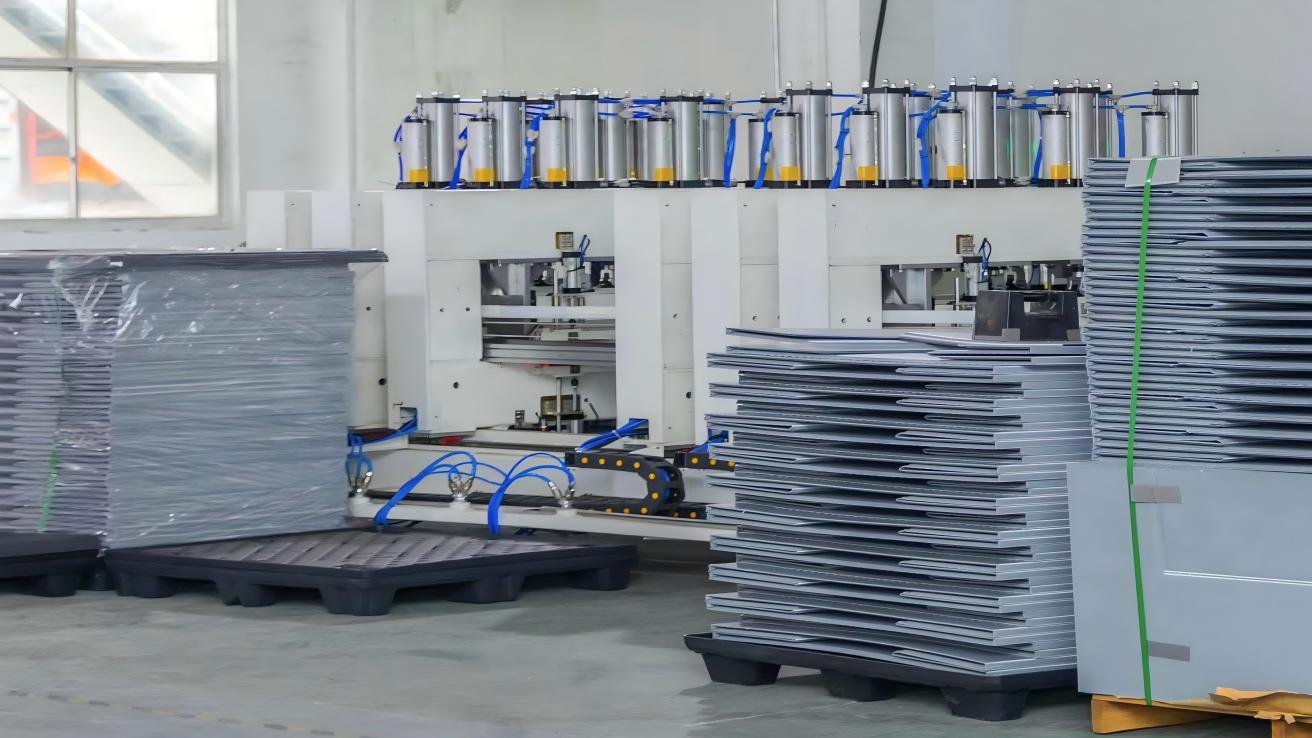
The Definitive Guide to Pallet Sleeve Boxes: From Basics to Full Customization?
Are your current packaging solutions bulky, wasteful, and expensive? It’s a common problem that eats into your profits and creates logistical headaches, holding your business back from peak efficiency.
A pallet sleeve box, also known as a sleeve pack,gaylord box or pallet container sleeve, is a reusable, three-part bulk container. It consists of a plastic pallet base, a collapsible honeycomb plastic sleeve, and a lid. This system revolutionizes shipping by saving space, cutting costs, and protecting your products effectively.

This guide is based on my 10 years of experience in the engineering plastics industry, including a project where we exported nearly 20,000 sets of these sleeve boxes to a single client in Indonesia. I’ve learned that while they look simple, the details matter immensely. I want to share what I’ve learned so you can make the best choice for your business. This isn’t just about buying a box; it’s about investing in a smarter logistics system. Let’s explore how these containers can transform your supply chain, from the basic benefits to full customization that meets your exact needs.
Core Benefits: Why Are Smart Businesses Switching to Sleeve Packs?
Are your logistics costs for shipping and storage constantly rising? These expenses directly impact your bottom line, and inefficient packaging only makes it worse, costing you money and space.
Businesses are switching because sleeve packs offer incredible cost savings, superior space efficiency, and enhanced product protection. Their reusability delivers a strong return on investment, while their collapsible design streamlines both outbound shipping and return logistics.
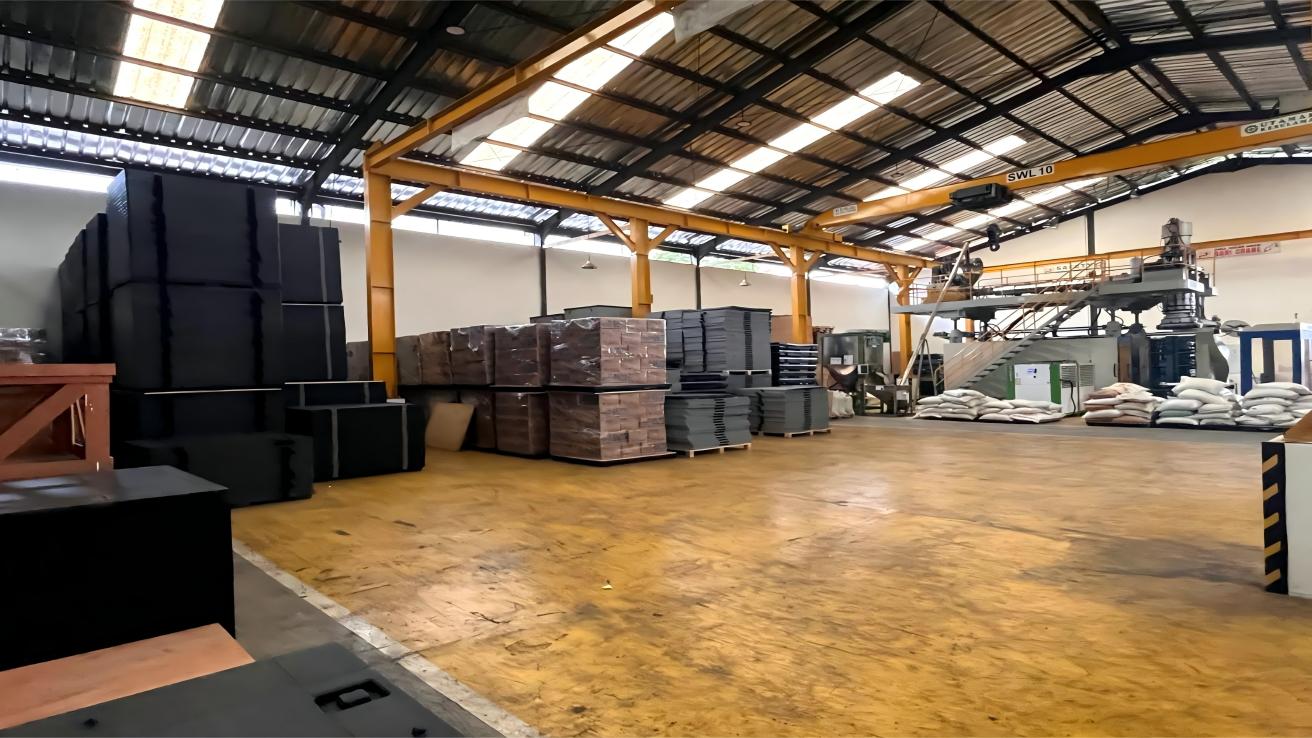
When I talk to clients, the conversation always turns to efficiency. Traditional packaging, like wooden crates or single-use cardboard boxes, feels like a constant expense. You buy it, you use it once, and then you deal with disposal. Sleeve packs change this dynamic completely. They are a long-term asset, not a disposable cost. Based on my experience, the switch to a reusable system like this is one of the fastest ways to see a tangible improvement in your operational budget. Let’s break down exactly where you’ll see the benefits.
Return on Investment (ROI)
The initial purchase price of a plastic sleeve box is higher than a cardboard box. But the story doesn’t end there. You can reuse a plastic sleeve pack hundreds of times. A cardboard box might last one or two trips if you’re lucky. A wooden crate is heavy and prone to damage. When you calculate the cost per trip, the plastic sleeve pack becomes dramatically cheaper in the long run.
Space Efficiency
This is a huge advantage. When fully assembled, they carry your goods. For the return trip, the sleeve collapses flat. The pallet and lid nest together. You can fit up to ten collapsed sleeve packs in the same space as one assembled one. This drastically cuts down on the cost of return freight and frees up valuable warehouse space.
Product Protection and Durability
The sleeves are typically made from polypropylene (PP) honeycomb sheets. This material is tough. It resists impacts, moisture, chemicals, and temperature changes. Unlike cardboard, it won’t get soggy and collapse in the rain. Unlike wood, it won’t splinter or rot. This means your products arrive at their destination in perfect condition, reducing losses from damage.
| Feature | Wooden Crate | Cardboard Box | Plastic Sleeve Pack |
|---|---|---|---|
| Reusability | Low-Medium | Very Low | Very High (100+ trips) |
| Weight | Heavy | Light | Medium |
| Return Ratio | 1:1 (Does not collapse) | N/A (Disposable) | Up to 10:1 (Collapsible) |
| Weather Resistance | Poor (Can rot) | Very Poor (Absorbs water) | Excellent (Waterproof) |
| Cleanliness | Difficult to clean | N/A (Disposable) | Easy to clean/sanitize |
A Buyer’s Checklist: How Do You Select the Perfect Sleeve Box for Your Needs?
Choosing new packaging can feel overwhelming. Making the wrong choice can lead to damaged goods, inefficient handling, or simply paying for features you do not need, a costly mistake.
To select the perfect sleeve box, first determine your required load capacity. Then, specify the dimensions, choose the right material thickness (GSM), and consider any special features like access doors. This ensures you get a solution tailored to your product.
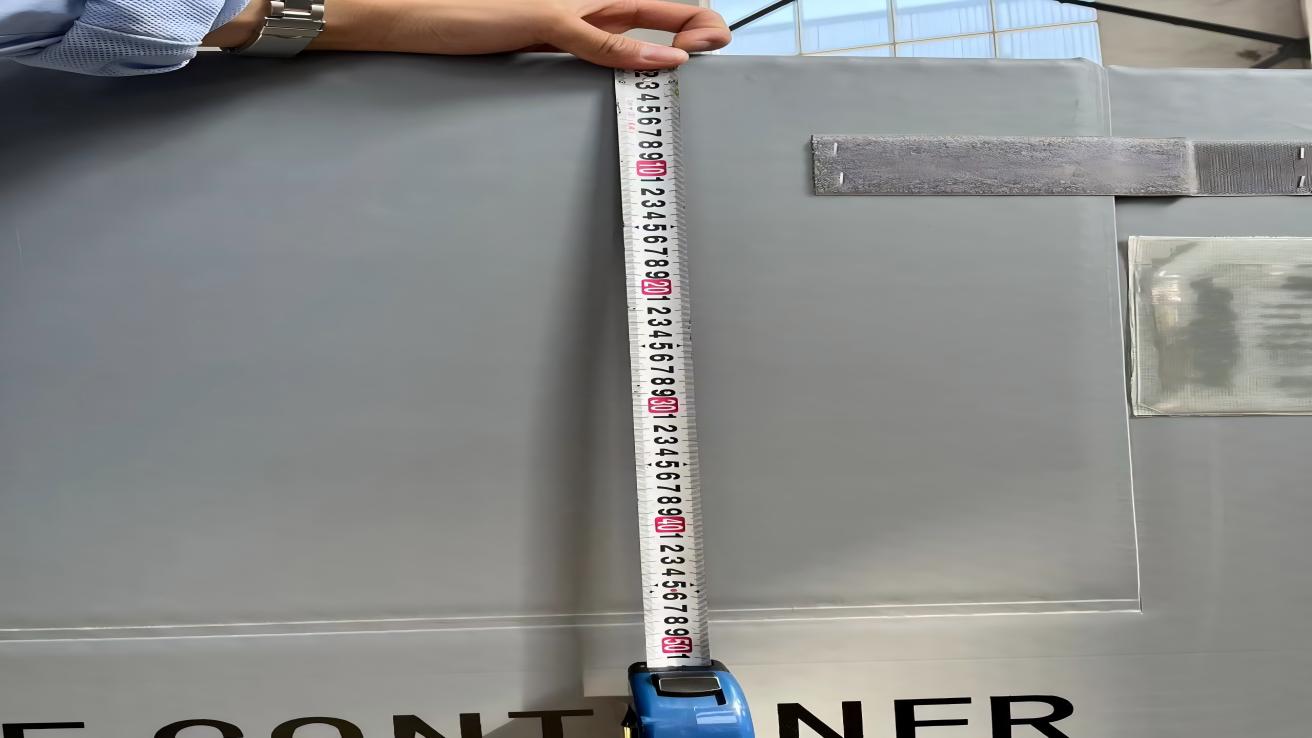
Selecting the right sleeve box is the most critical step. Over my career, I’ve seen customers focus only on the lowest price, but that can backfire. A box that is too weak can collapse, and one that is too strong is a waste of money. The key is finding the perfect balance for your specific application. This is where my experience exporting thousands of these units comes in. It’s not about just selling a box; it’s about providing the right engineering solution. I guide my clients through a simple checklist to ensure they get exactly what they need.
1. Define Your Load-Bearing Requirements
This is the most important factor. How much weight does the box need to hold? For over 90% of my clients, a sleeve made from a 10mm thick, 3000GSM (Grams per Square Meter) plastic honeycomb sheet is the perfect solution. This specification reliably handles a dynamic load of 200-350 kg. It’s the go-to standard for a reason—it’s robust and cost-effective. However, we also provide options for lighter or heavier loads. For lighter applications, an 8mm sheet might be sufficient. For extremely heavy parts, we can go up to a 15mm sheet to ensure maximum strength and safety.
2. Determine the Right Size
You need to consider the internal dimensions required for your product.
- Length (L) & Width (W): These should match standard pallet sizes (e.g., 1200x1000mm, 1200x800mm) for logistical efficiency, but we can create any custom footprint.
- Height (H): This depends on your product size and how you want to stack items inside.
3. Consider Special Features
Do you need any modifications to improve usability?
- Access Door: A drop-down door on the side makes it much easier to load or unload parts without having to reach down from the top.
- Locking System: We can integrate specific locking mechanisms into the sleeve to secure it to the pallet and lid.
- Printing: We can print your company logo, part numbers, or handling instructions directly onto the sleeve for easy identification.
The Power of Customization: How Can You Tailor Your Solution with CNC Engineering?
What if standard box sizes just don’t work for your products? Forcing your parts into the wrong packaging leads to wasted space, the need for extra void fill, and a higher risk of damage.
Customization allows us to tailor every aspect of the sleeve box to your exact needs. Using advanced CNC machines, we can create custom sizes, add access doors, integrate locking systems, and even design internal dunnage for a perfect fit.
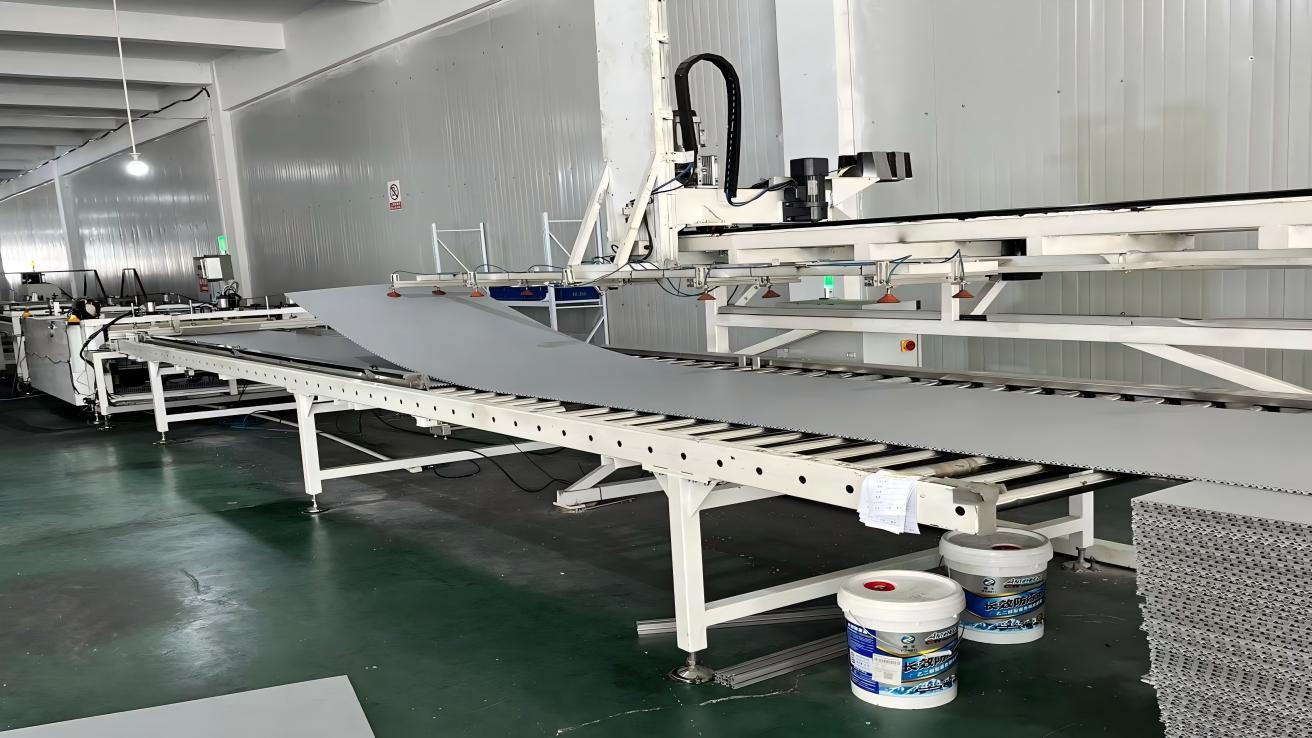
This is where my team really shines. We are not just a distributor; we have our own factories with advanced processing capabilities. Many people think a sleeve box is just four sides and some folds, but true optimization comes from precise engineering. Our CNC (Computer Numerical Control) machines allow us to move beyond standard designs and create a truly bespoke packaging solution for our clients. It’s a process I personally oversee because the details are what transform a good product into a perfect one.
The CNC Advantage
A CNC machine is a computer-controlled cutting tool. We feed our design drawings into the computer, and the machine executes the cuts, creases, and openings with incredible precision, down to the millimeter. This technology opens up a world of possibilities for customization.
- Perfectly Sized Boxes: We can produce a sleeve of any height, length, or width, ensuring you are not paying to ship empty air.
- Ergonomic Access Doors: We can design and cut drop-down doors in any size and on any side of the sleeve. This improves worker safety and makes loading and unloading much faster.
- Integrated Locking Mechanisms: We can create unique folds and slots that allow the sleeve to lock securely onto the pallet and lid without needing extra straps, simplifying the handling process.
- Internal Dunnage: For delicate or oddly shaped parts, we can use our CNC machines to create custom internal dividers and supports from the same PP material. This holds your products securely in place, eliminating the need for foam or bubble wrap and providing maximum protection.
As a foreign trade supervisor, providing a custom-engineered solution is how I build lasting partnerships. We can work from your technical drawings, or our engineering team can design the perfect box for you free of charge.
Sleeve Box vs. Wooden Crate: Which Offers a Better ROI & Efficiency?
Many businesses are used to wooden crates and hesitate to change. But these traditional crates are heavy, bulky, prone to breaking, and can cause splinters, creating safety hazards for your team.
When compared head-to-head, plastic sleeve boxes offer a far superior ROI and efficiency. They are significantly lighter, fully collapsible for cheap return transport, safer to handle, and their extreme reusability crushes the total cost of ownership of wooden crates.
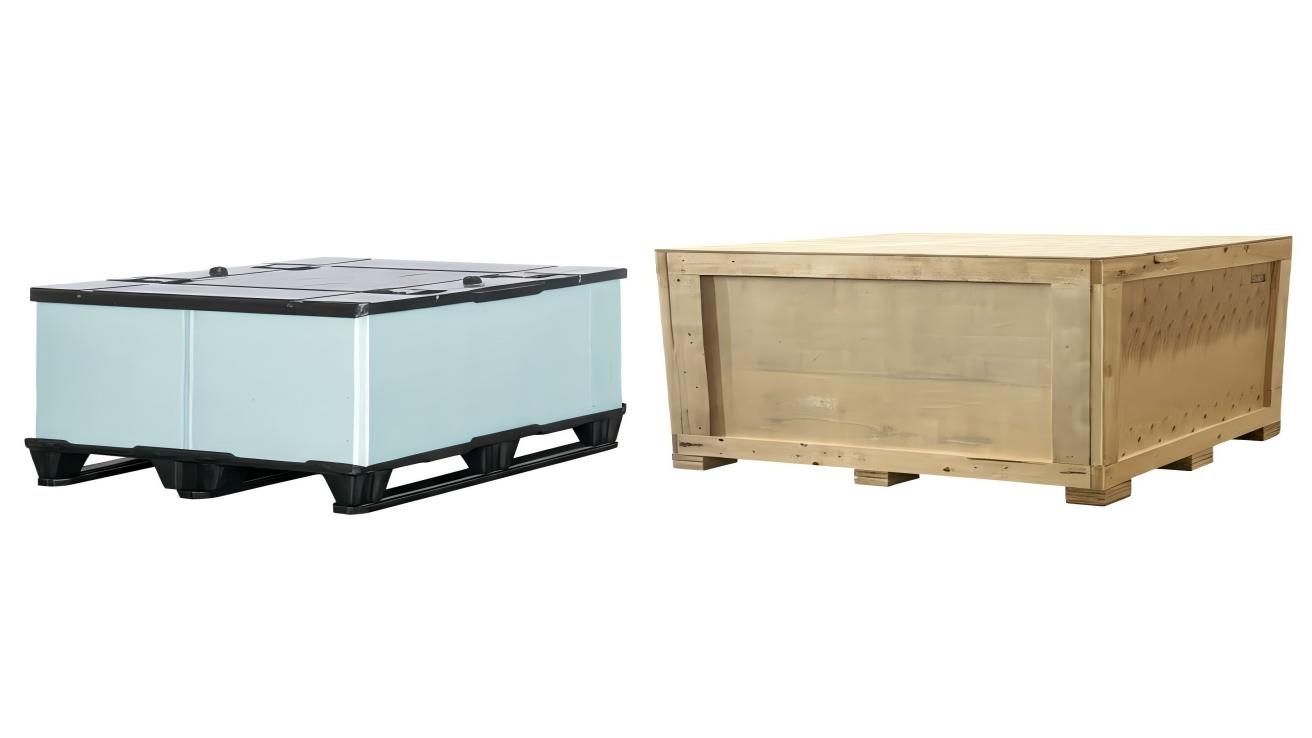
I’ve had this conversation with countless logistics managers. The upfront cost of a single plastic sleeve box is higher than a single wooden crate, and that can cause hesitation. However, you have to look at the total cost of ownership over the product’s entire lifecycle. A wooden crate is often a one-way trip. A plastic sleeve pack is a round-trip solution that you can use for years. When you do the math, the choice becomes very clear. I’ve prepared a simple table to show you exactly how they stack up in the areas that matter most to your bottom line.
Head-to-Head Comparison
| Metric | Wooden Crate | Plastic Sleeve Box | The Winner Is… |
|---|---|---|---|
| Weight | Very Heavy | ~60% Lighter | Sleeve Box (Lower fuel & shipping costs) |
| Cost Per Trip1 | High (Often single-use) | Very Low (Reusable 100+ times) | Sleeve Box (Massive long-term savings) |
| Storage (Empty) | Bulky, does not collapse | Collapses flat (Up to 10:1 ratio) | Sleeve Box (Huge savings on warehouse space) |
| Worker Safety2 | High Risk (Splinters, nails) | Very Safe (No sharp edges) | Sleeve Box (Fewer injuries, better morale) |
| Durability | Prone to rot, moisture damage, breakage | Waterproof, impact-resistant, chemical-resistant | Sleeve Box (Better product protection) |
| Cleanliness | Porous, hard to clean | Non-porous3, easy to wash/sanitize | Sleeve Box (Ideal for clean environments) |
The data speaks for itself. While a wooden crate might solve a short-term problem, a plastic sleeve box system is a long-term strategic investment in efficiency, safety, and cost reduction.
Conclusion
In short, pallet sleeve boxes are a smart, modern, and highly efficient upgrade to traditional packaging. They offer dramatic long-term savings, superior protection, and can be fully customized for you.
-
Explore how reusable packaging can lead to significant long-term savings and efficiency improvements. ↩
-
Learn about the importance of packaging design in enhancing worker safety and reducing injuries. ↩
-
Explore this link to understand how non-porous materials enhance hygiene and safety in packaging, crucial for various industries. ↩
About the Author
